
Visual direction guide
Hailuo 03 AI Image Generator
Use this Hailuo 03 AI Image Generator guide to turn a creative brief into a focused prompt, a coherent visual system, and a practical refinement plan.
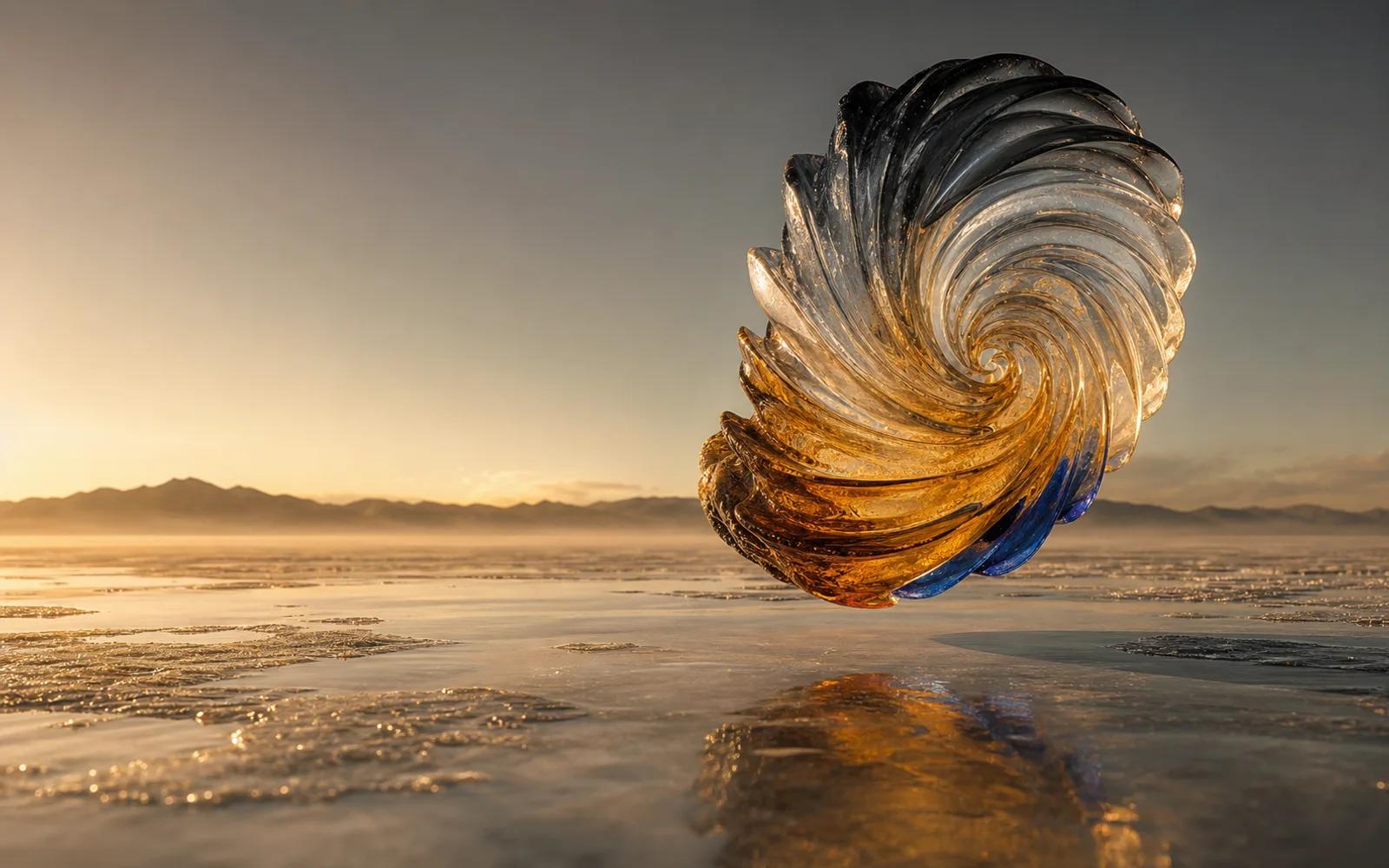
Build a prompt
TL;DR
- Start with one clear subject and one visual intention.
- Direct composition, light, color, and atmosphere as one system.
- Use task-specific language for keyframes, ads, products, or characters.
- Refine one visual decision at a time to keep the concept coherent.
A creative planning framework
What is a Hailuo 03 image prompt?
A useful prompt is a compact piece of art direction. It identifies what the image must communicate, places the subject in a readable scene, and defines the visual choices that carry the idea.
Prompt and visual planning
Five decisions that make an image brief stronger
Treat each prompt as a sequence of visual decisions rather than a pile of adjectives.
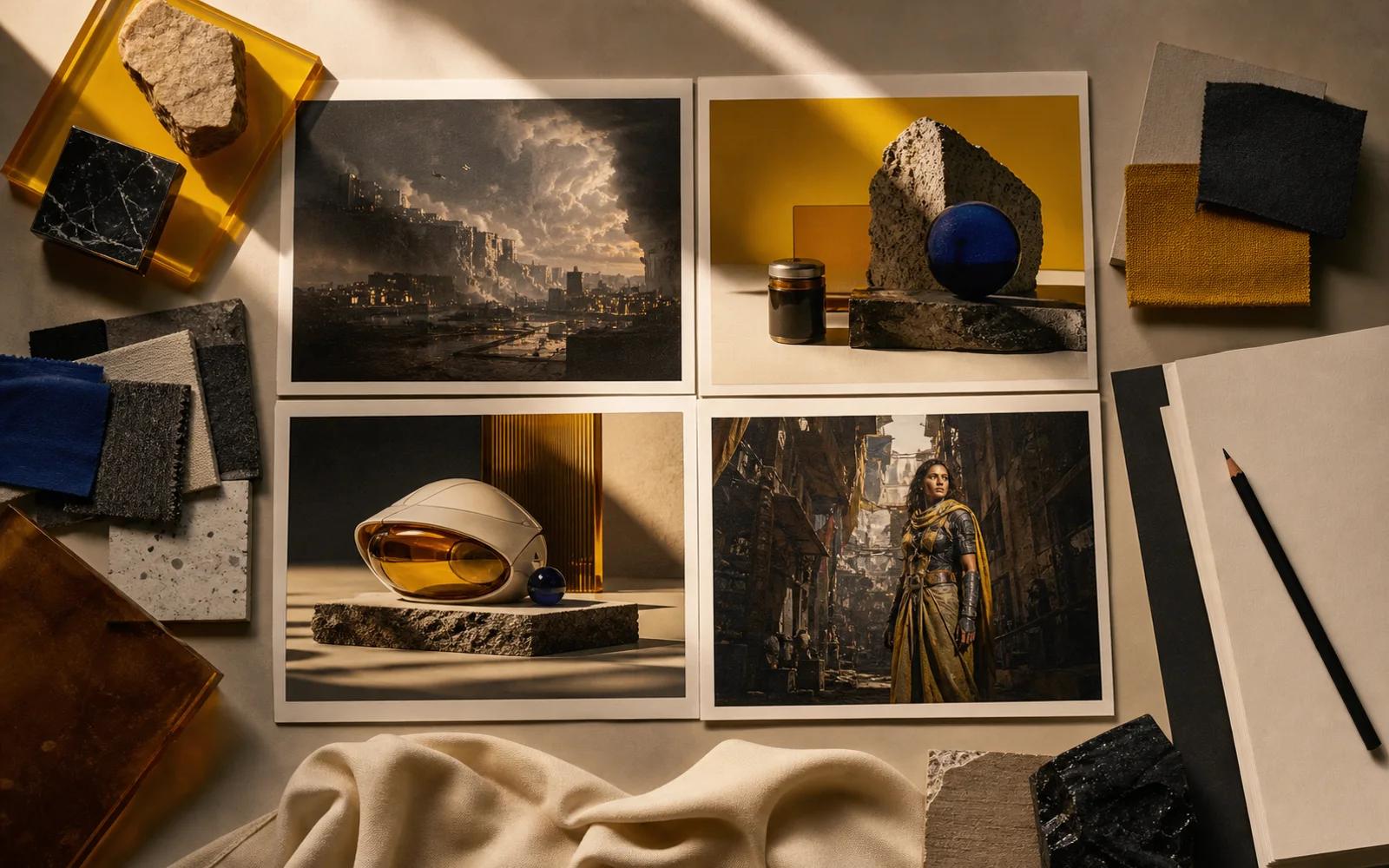
Establish subject hierarchy
Name the primary subject, supporting elements, and the action or gesture that deserves the viewer's attention.
Direct the scene
Define place, time, weather, surfaces, and spatial relationships so the setting supports the story.
Shape light and color
Describe the direction and quality of light, then choose a limited palette that reinforces mood and contrast.
Choose a camera language
Use framing, viewpoint, depth, and focal emphasis to decide how the audience enters the image.
Plan the refinement pass
Identify the one detail to preserve and the one decision to change before writing the next prompt.
Four creative briefs
Where this planning method works
The same structure adapts to very different outcomes when the task and evaluation criteria are explicit.
Cinematic keyframes
Block the decisive story beat, character position, environmental scale, lens feeling, and emotional light.
Advertising visuals
Prioritize a single message, product or person, controlled negative space, and a recognizable campaign palette.
Product concept scenes
Describe material, silhouette, surface behavior, environment, and the visual proof that makes the concept believable.
Character and world development
Connect costume logic, posture, props, architecture, climate, and social context into one consistent world.
Task-specific language
Prompt starting points by image task
Use the middle column as a structural starting point, then apply the refinement cue after reviewing the composition.
| Task | Prompt starting point | Refinement cue |
|---|---|---|
| Cinematic keyframe | A lone navigator reaches a flooded observatory at blue hour, wide low viewpoint, cold mist, one warm window, restrained tension. | Clarify the story beat and simplify competing light sources. |
| Advertising visual | Sculptural running shoe on pale stone, diagonal morning light, deep cobalt shadow, generous copy space, energetic editorial framing. | Strengthen the silhouette and protect the negative space. |
| Product concept | Compact field camera in brushed aluminum and amber glass, modular grip, photographed on mineral terrain after rain. | Make material transitions and functional details more legible. |
| Character world | Desert cartographer in layered weathered linen, ceramic tools, wind-carved archive city, midday haze, grounded documentary portrait. | Repeat two material motifs across costume, tools, and architecture. |
Four-step workflow
Move from brief to a clear visual direction
A deliberate sequence keeps the concept readable while leaving room for discovery.
- 01
Define the intent
Write one sentence for the audience, message, and emotional response the image should create.
- 02
Build the visual stack
Add subject, setting, composition, light, palette, material, and atmosphere in that order.
- 03
Review by priority
Judge the main read first, then check story, silhouette, depth, color relationships, and supporting detail.
- 04
Refine one variable
Keep the strongest decisions fixed and change one meaningful variable in the next prompt.
Practical questions
Hailuo 03 prompt FAQ
Short answers for planning, writing, and refining image directions.
How should I structure a Hailuo 03 image prompt?
Begin with intent and subject, then add setting, composition, light, color, material, and atmosphere. End with the detail that must remain visually dominant.
How much detail belongs in the first prompt?
Include only details that affect the main read. Leave small decorative choices for later passes so the first composition has a clear hierarchy.
How do I plan a cinematic keyframe?
Choose one decisive story beat, place the camera in relation to the character, and use light and weather to reinforce the emotional turn.
How do I describe a product concept clearly?
Prioritize silhouette, material, scale cues, functional features, and the environment that demonstrates how the object should feel.
How can I make a character world feel consistent?
Repeat a small set of materials, shapes, colors, and cultural cues across clothing, tools, architecture, and landscape.
What is the best way to refine a prompt?
State what already works, isolate the most important weakness, and rewrite only the instructions connected to that decision.
Continue exploring
Related image workflows
Compare other creative approaches while keeping your brief, visual hierarchy, and review criteria consistent.
Turn the next brief into a visual plan
Choose a task, write the first structured prompt, and review the result with one clear priority. Explore Seedream 5.0 Pro